What Is ADHD?
Understanding the Disorder and Its Causes
ADHD—short for Attention Deficit Hyperactivity Disorder—is one of the most commonly diagnosed neurodevelopmental conditions in children and teens. But despite its name recognition, ADHD is often misunderstood.
This article will help you understand exactly what ADHD is, what causes it, and why it’s more than just a problem of attention or hyperactivity.
ADHD Is a Neurobiological Disorder
ADHD is not caused by bad parenting, too much screen time, or a lack of discipline. While these may influence behavior, the root of ADHD lies in brain function and development.
ADHD is a neurobiological and genetic condition, meaning it affects how the brain is wired and how it communicates internally. It has strong genetic links and is often seen in multiple members of the same family.
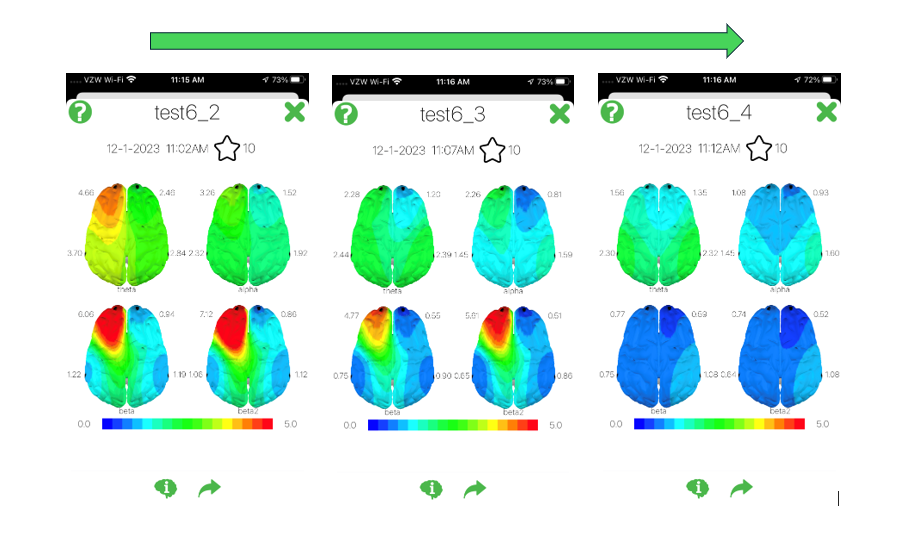
🧠 Brain imaging and neurological research confirm that people with ADHD show differences in the structure and activity of key brain regions—especially those responsible for attention, inhibition, motivation, and time management.
How Common Is ADHD?
According to estimates:
- Between 6% and 9% of children and teens have ADHD
- About 11% of children (and up to 20% of boys) have been diagnosed at some point
- Adult ADHD is also common, affecting over 10 million Americans—many of whom were never diagnosed as children
However, many experts believe ADHD is both over-diagnosed and under-diagnosed, depending on how thoroughly symptoms are assessed. True ADHD is not just about how a child behaves today, but includes:
- Early onset of symptoms
- Long-term, consistent patterns of behavior
- Severe and persistent symptoms across multiple settings
What ADHD Looks Like in Real Life
ADHD typically affects five main areas of functioning:
1. Inattention
Difficulty staying focused on routine or boring tasks—like homework, chores, or paperwork. People with ADHD may have no trouble concentrating on fun or highly stimulating activities (like video games), but struggle with everyday responsibilities.
2. Hyperactivity
Excessive, non-purposeful movement. Especially common in young children, hyperactivity may show up as restlessness, fidgeting, talking too much, or being constantly “on the go.”
3. Impulsivity
Acting or speaking without thinking. This can lead to blurting out in class, interrupting conversations, making rash decisions, or struggling to delay gratification.
4. Boredom Sensitivity
ADHD brains crave stimulation. Tasks that are repetitive, unstimulating, or require sustained effort often trigger avoidance, zoning out, or irritability.
5. Time Management Issues
People with ADHD often live in the “now.” They struggle to estimate how long things will take, forget deadlines, or have trouble preparing for the future. This is linked to deficits in working memory and executive functioning.
What Causes ADHD?
While ADHD is often inherited, several other factors may contribute to or mimic ADHD symptoms:
- Genetics (the most common root cause)
- Prenatal influences, such as drug or alcohol exposure
- Brain injuries, especially to the frontal lobes
- Environmental toxins, infections, or chronic stress
It’s also important to note that other conditions can look like ADHD, including anxiety, depression, learning disabilities, grief, trauma, and even poor sleep habits.
ADHD Is Not Just a Childhood Problem
While symptoms often begin in childhood, ADHD can continue into adulthood and affect every area of life:
- Trouble staying organized or focused at work
- Difficulty with time management or task completion
- Strained relationships or impulsive behavior
- Frustration, burnout, or low self-esteem
About 50% of children with ADHD will continue to meet the criteria into adulthood—especially males, for whom brain maturation occurs more slowly.
ADHD Affects the Whole Person
ADHD is a performance disorder, not an intelligence problem. Most people with ADHD know what they should do—it’s executing those plans consistently that’s difficult.
That’s why ADHD often leads to:
- Underachievement, even with high potential
- Frustration, from failing to meet expectations
- Shame, from repeated mistakes or missed deadlines
- Missed opportunities, in school, relationships, or careers
Hope, Support, and Treatment
ADHD can be challenging—but with the right support, people with ADHD can thrive.
There are multiple options for treatment, including:
- Medication (stimulant and non-stimulant options)
- Behavioral therapy and coaching
- Nutrition and exercise programs
- Alternative therapies, such as neurofeedback and CES technology
- Support for parents, teachers, and adults with ADHD