
The Complete Guide to Managing Anxiety Symptoms Naturally
Introduction
Anxiety disorders are among the most prevalent mental health conditions globally, affecting millions of individuals across all age groups. The COVID-19 pandemic has exacerbated this issue, leading to a significant increase in anxiety and depression worldwide. According to the World Health Organization, the pandemic triggered a 25% increase in the prevalence of anxiety and depression globally .World Health Organization (WHO)
In the United States, anxiety disorders are the most common mental illness, affecting 40 million adults aged 18 and older, or 18.1% of the population every year . Despite their high treatability, only 36.9% of those suffering receive treatment.
This guide aims to provide a comprehensive overview of natural strategies to manage anxiety symptoms, supported by recent research and evidence-based practices.
Understanding Anxiety: Prevalence and Impact
Global and National Statistics
-
Global Increase: The COVID-19 pandemic has led to a 25% increase in the prevalence of anxiety and depression worldwide .World Health Organization (WHO)+1heraldsun+1
-
United States: Anxiety disorders affect 40 million adults aged 18 and older, making it the most common mental illness in the U.S. .
-
Youth Impact: In Australia, a study found that nearly 75% of Melbourne teenagers have experienced clinically significant anxiety or depression by age 18 .heraldsun
Contributing Factors
Several factors contribute to the rise in anxiety disorders, including:
-
Social Media and Screen Time: Excessive use of digital media has been linked to increased anxiety, particularly among adolescents .Wikipedia
-
Economic and Social Stressors: Job insecurity, financial strain, and social isolation have all been associated with heightened anxiety levels. American Psychological Association
-
Health-Related Concerns: The fear of illness and the impact of chronic health conditions can exacerbate anxiety symptoms.
Natural Strategies for Managing Anxiety
1. Cranial Electrotherapy Stimulation (CES)
Overview: CES is a non-invasive therapy that delivers low-level electrical currents to the brain via electrodes placed on the earlobes. It is FDA-approved (cleared) for the treatment of anxiety, depression, and insomnia.
Mechanism: CES is believed to modulate neurotransmitter activity, increasing levels of serotonin and endorphins while reducing cortisol, the stress hormone.

Evidence: Studies have demonstrated the efficacy of CES in reducing anxiety symptoms. For instance, a meta-analysis found that CES significantly reduced anxiety levels in patients with generalized anxiety disorder . There are over 200 recent published research articles listed at Stress.org. And over 2000 articles published in the past 25 years.

2. Neurofeedback
Overview: Neurofeedback is a type of biofeedback that uses real-time displays of brain activity to teach self-regulation of brain function.
Mechanism: By providing feedback on brainwave patterns, individuals can learn to alter their brain activity, promoting relaxation and reducing anxiety.
Evidence: Research indicates that neurofeedback can be effective in treating anxiety disorders. A study found that neurofeedback training led to significant reductions in anxiety symptoms among participants. We’ve used “direct neurofeedback” and “traditional neurofeedback” technologies for over 30 years. They work very well for the symptoms of anxiety, and the underlying root causes.

3. LifeWave Patches
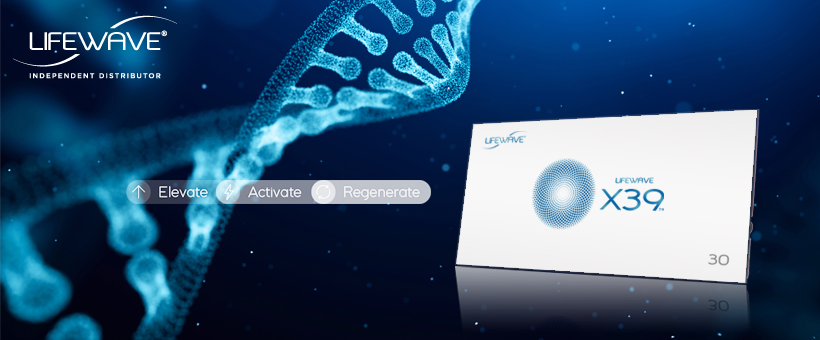
Overview: LifeWave patches are non-transdermal patches that stimulate acupuncture points on the skin to promote health benefits. We’ve been using them and get significant benefits from them.
Mechanism: The patches are designed to reflect specific wavelengths of light, stimulating the body’s natural healing processes.
Evidence: While anecdotal reports suggest benefits in stress reduction, more rigorous scientific studies are needed to establish the efficacy of LifeWave patches in managing anxiety. There are over 90 published studies on Lifewave products, and the company holds over 170 patents. Most of the studies are in the area of stem cell activation, and related benefits.
4. Nutrition and Diet
Overview: Diet plays a crucial role in mental health. Certain nutrients can influence neurotransmitter function and mood regulation.
Key Nutrients:
-
Omega-3 Fatty Acids: Found in fatty fish, flaxseeds, and walnuts, omega-3s have been linked to reduced anxiety symptoms.
-
Magnesium: Present in leafy greens, nuts, and whole grains, magnesium deficiency has been associated with increased anxiety.
-
Probiotics: Gut health is connected to mental health. Probiotic-rich foods like yogurt and fermented vegetables can support a healthy gut microbiome.
Evidence: A study published in the journal Nutrients found that dietary interventions, including increased intake of omega-3s and probiotics, led to significant reductions in anxiety symptoms .SpringerOpen
5. Screen Time Reduction
Overview: Excessive screen time, particularly on social media, has been linked to increased anxiety and depression.
Strategies:
-
Set Time Limits: Use apps or device settings to limit daily screen time.
-
Digital Detox: Designate screen-free times or days to disconnect and engage in offline activities.
-
Mindful Usage: Be intentional about screen use, focusing on positive and productive content.
Evidence: A meta-analysis found a significant association between excessive screen time and increased anxiety levels, particularly among adolescents .

Lifestyle Modifications
Physical Activity
Regular exercise has been shown to reduce anxiety symptoms. Activities such as walking, yoga, and swimming can promote relaxation and improve mood. Walk 20 minutes like you are late for work everyday for 30 days.
Sleep Hygiene
Adequate sleep is essential for mental health. Establishing a consistent sleep schedule and creating a restful environment can enhance sleep quality. Use the CES CalmBox, turn off your TV and phones by 8:30 pm, and work on getting 8-9 hours of sleep each night for the next 30 days.
Mindfulness and Meditation
Practicing mindfulness and meditation can help individuals stay present and reduce anxious thoughts. Techniques include deep breathing, progressive muscle relaxation, and guided imagery.
Conclusion
Managing anxiety naturally involves a multifaceted approach that includes lifestyle modifications, dietary changes, and alternative therapies. While methods like CES and neurofeedback show promise, it’s essential to consult with healthcare professionals before starting any new treatment. Incorporating these strategies can empower individuals to take control of their mental health and improve their quality of life.